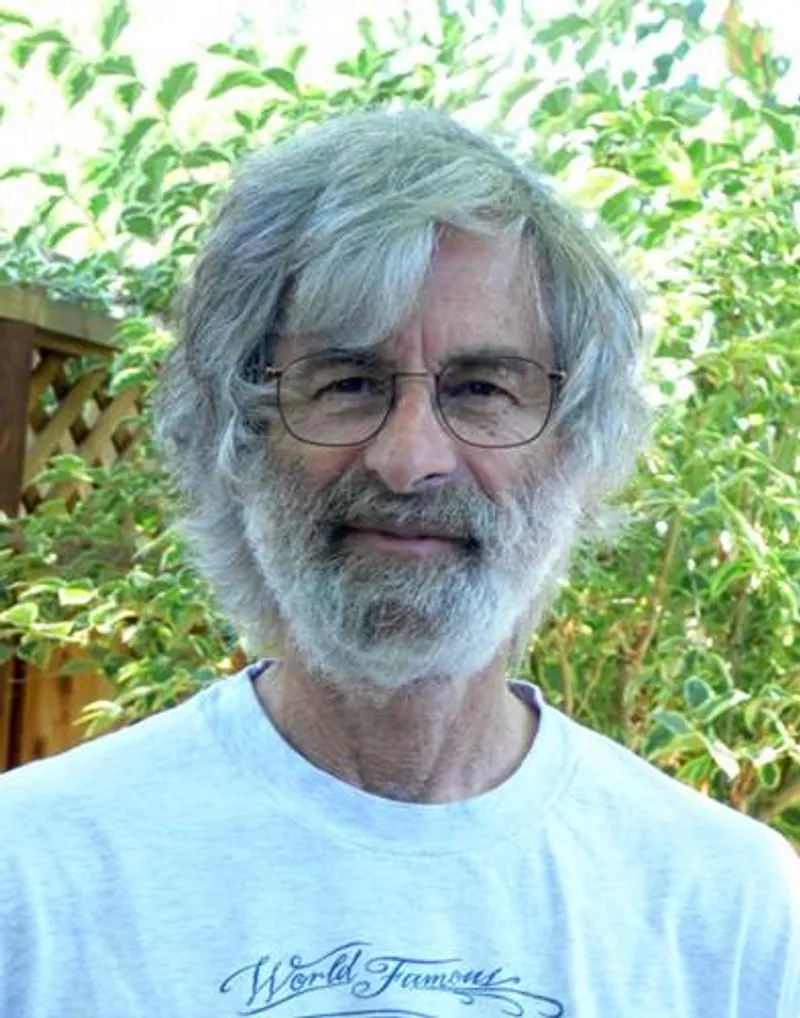
Leslie Lamport (born 1941) is an American computer scientist known for his foundational work in distributed systems and for creating LaTeX. His contributions to understanding concurrency and consensus in distributed computing earned him the 2013 Turing Award.
Distributed Systems Theory
Lamport’s work established the theoretical foundations of distributed computing. His 1978 paper “Time, Clocks, and the Ordering of Events in a Distributed System” introduced logical clocks and the “happens-before” relation, providing tools to reason about systems where there is no global time.
The Paxos Algorithm
In 1989, Lamport developed Paxos, an algorithm for achieving consensus among distributed processors. Written initially as an allegory about a Greek parliament, the paper was rejected as too unconventional. When finally published in 1998, it became one of the most influential algorithms in distributed computing.
Creating LaTeX
While known primarily for distributed systems, Lamport’s most widely used creation is LaTeX. Built on Knuth’s TeX, LaTeX made high-quality typesetting accessible to millions of academics. The system transformed scientific publishing and remains the standard for mathematical and technical documents.
TLA+ and Formal Specification
Lamport developed TLA+ (Temporal Logic of Actions), a formal specification language for describing and verifying concurrent and distributed systems. Companies like Amazon use TLA+ to find subtle bugs in critical systems before deployment.
Philosophy and Impact
Lamport emphasizes the importance of clear thinking and precise specification. His writing guide “How to Write a 21st Century Proof” advocates for structured mathematical proofs. His work demonstrates that theoretical computer science has profound practical applications.